About Us
Ketu Architects is an architecture and interior design studio led by a registered architect licensed by the Government of India. The practice is driven by a thoughtful approach to design that responds to context, function, and human experience.
My name is Architect Ketu Patel and I am the founder of KETU ARCHITECTS. I am an Architect and Master of Urban Planning and Regional Planning. We provide design services all over India. We have been working within this design field since 2017.We do RERA, FSI & GDCR approved design projects.
Working across residential, commercial, hospitality, and urban projects, the studio focuses on creating spaces that are practical, balanced, and enduring. Each project is shaped by a clear understanding of site conditions, material choices, and client requirements, resulting in architecture that is both purposeful and timeless.


Our Services
01.
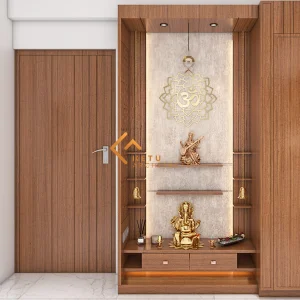
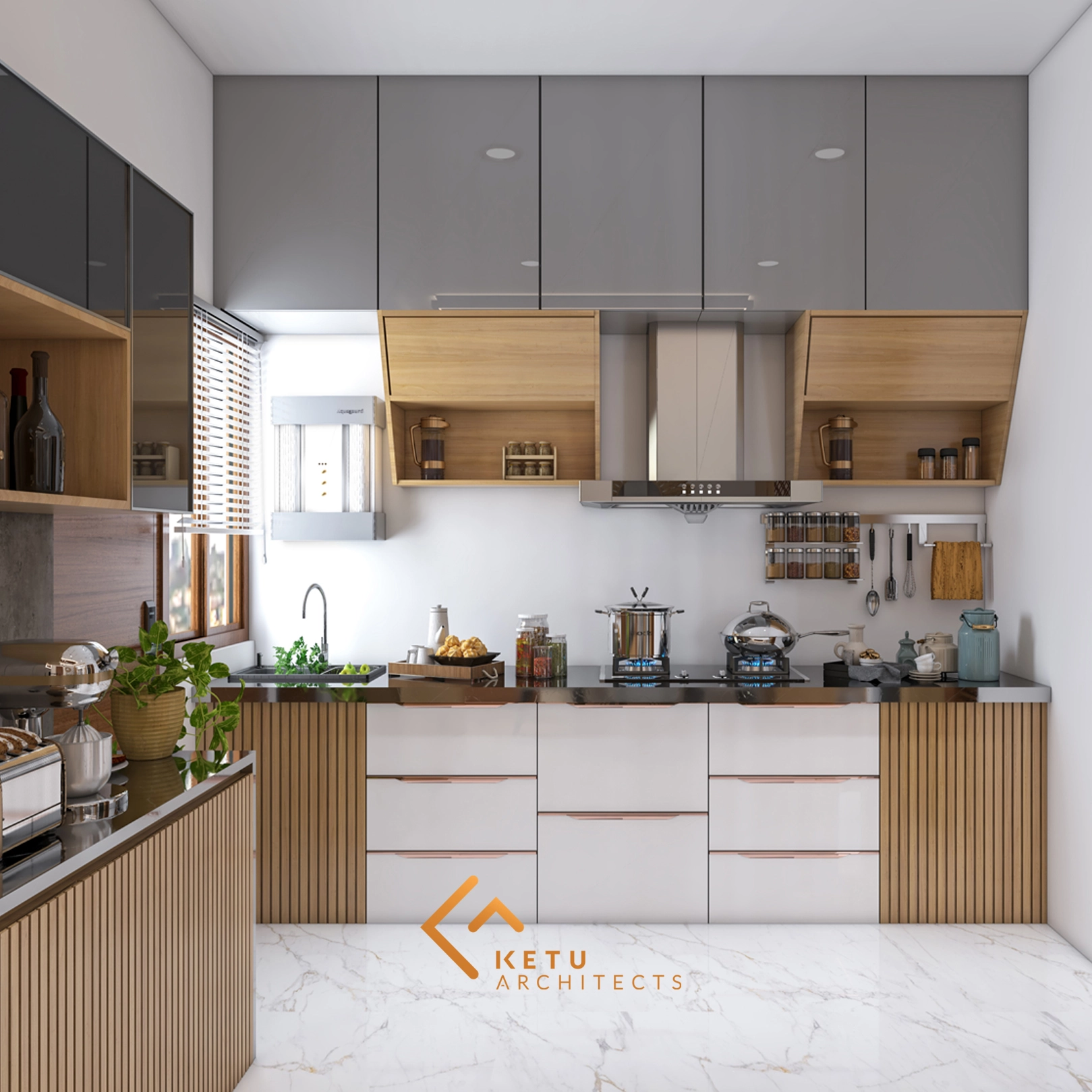
Interior Design
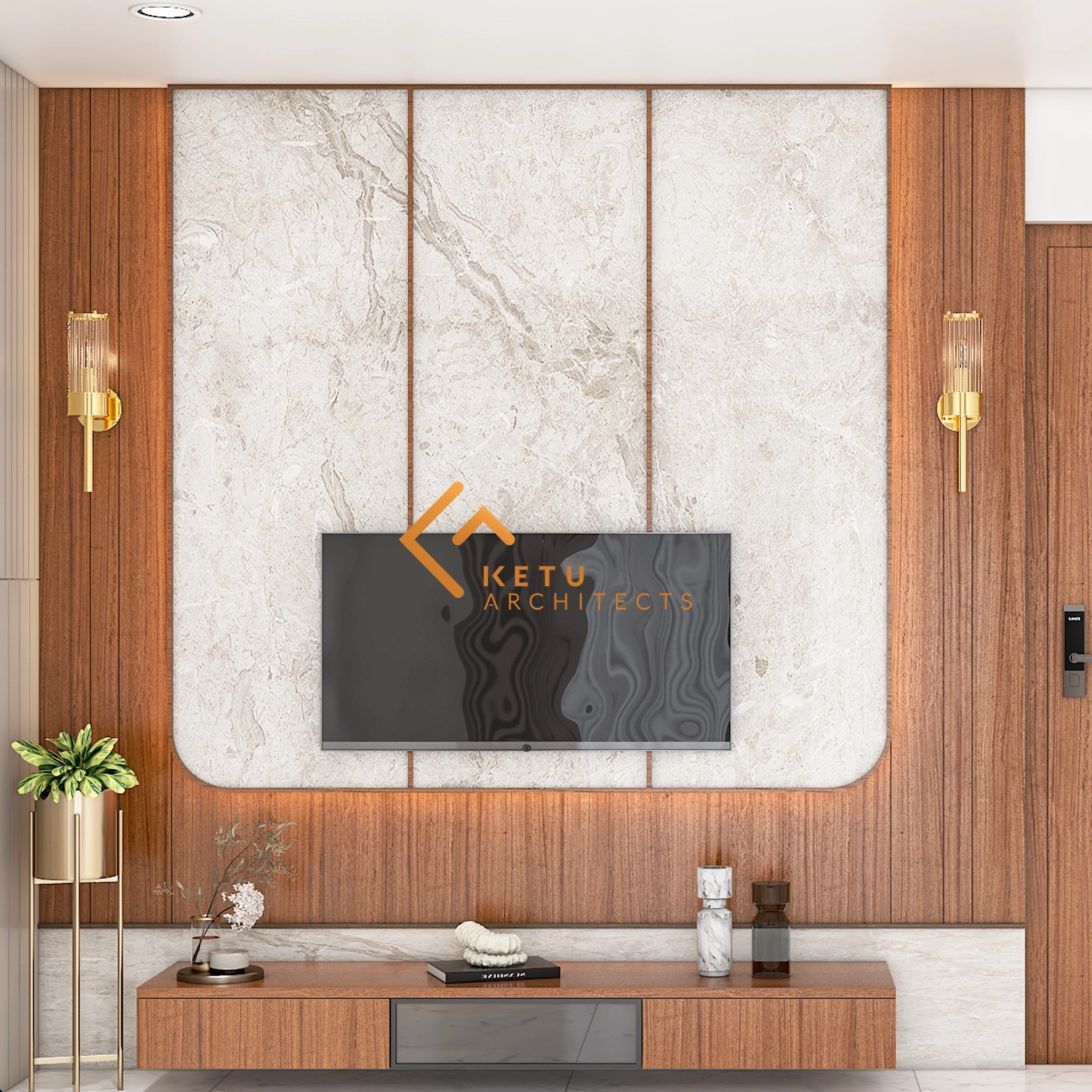
We provide interior design services for all property types, creating functional, comfortable, and visually balanced spaces tailored to user needs and lifestyle.
02.
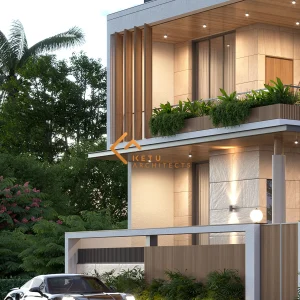
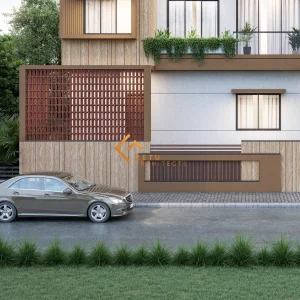
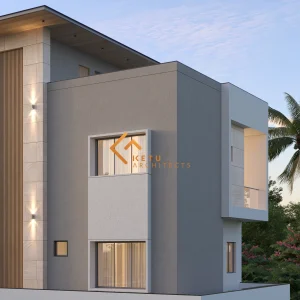
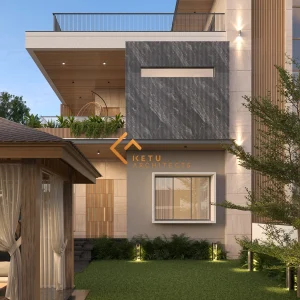
Residential Architecture
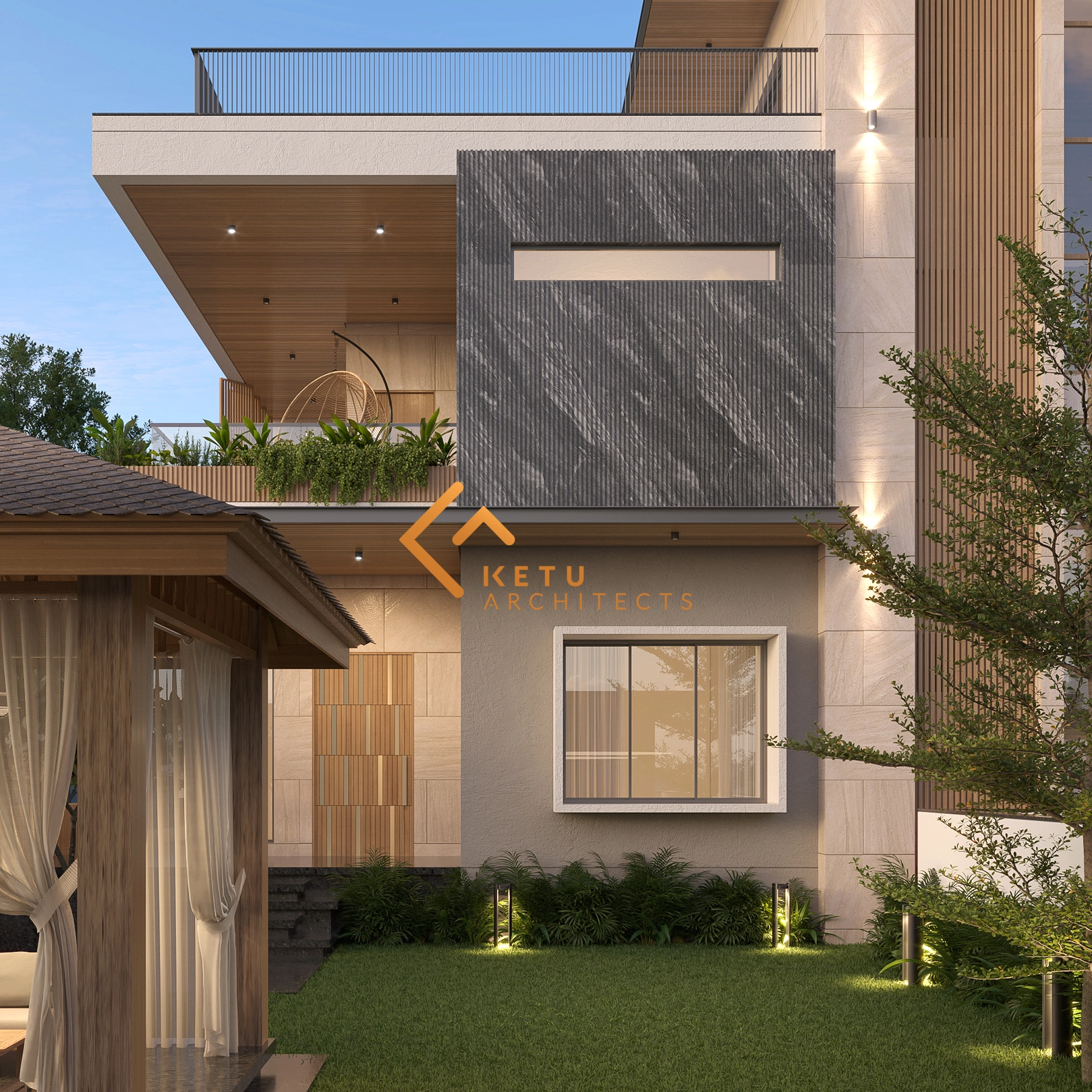
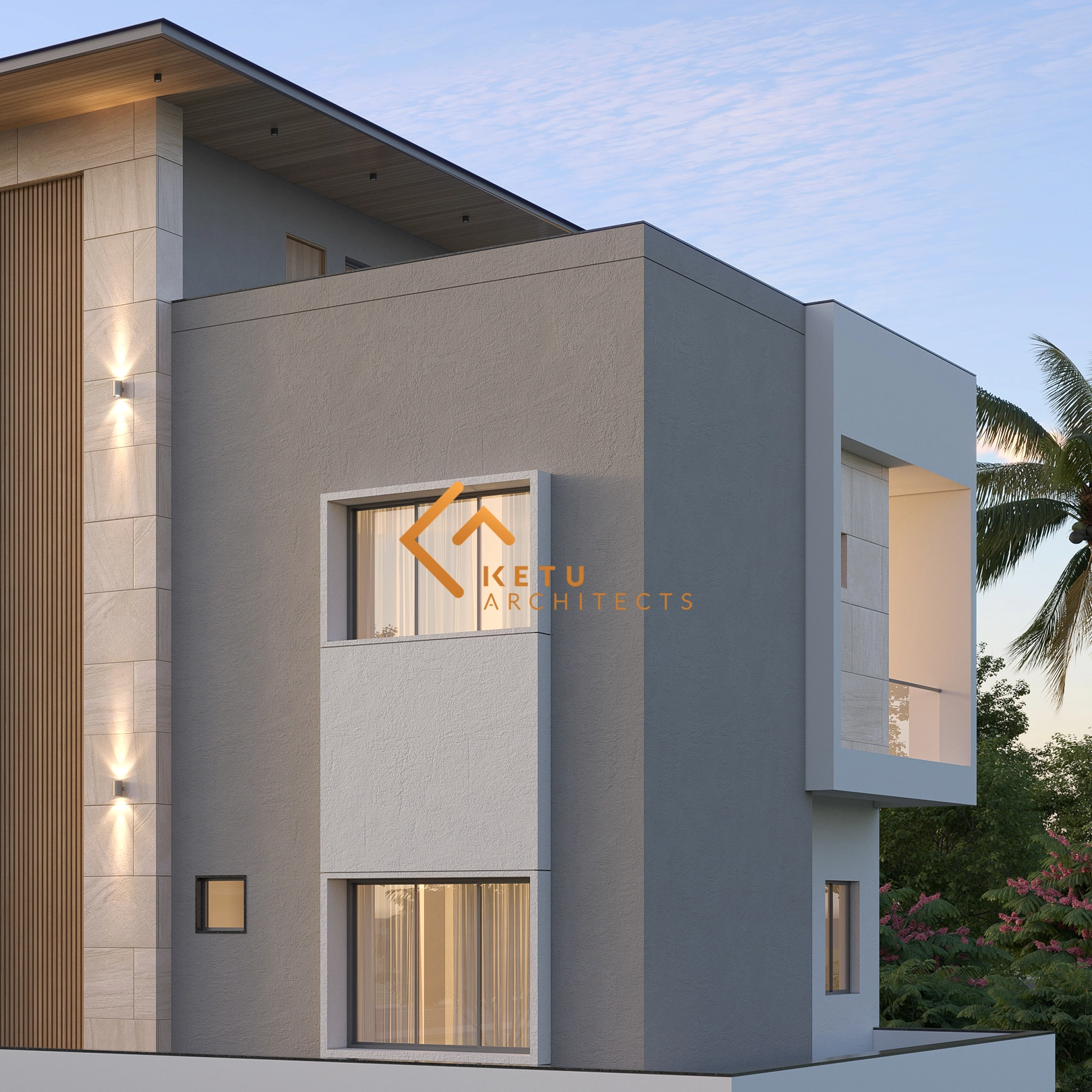
Our residential design services include bungalows, farmhouses, weekend villas, and residential schemes, with a focus on comfort, planning efficiency, and long-term usability.
03.
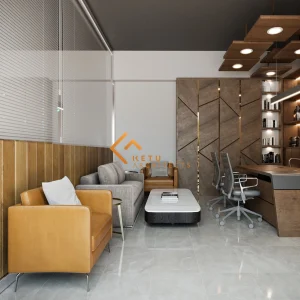
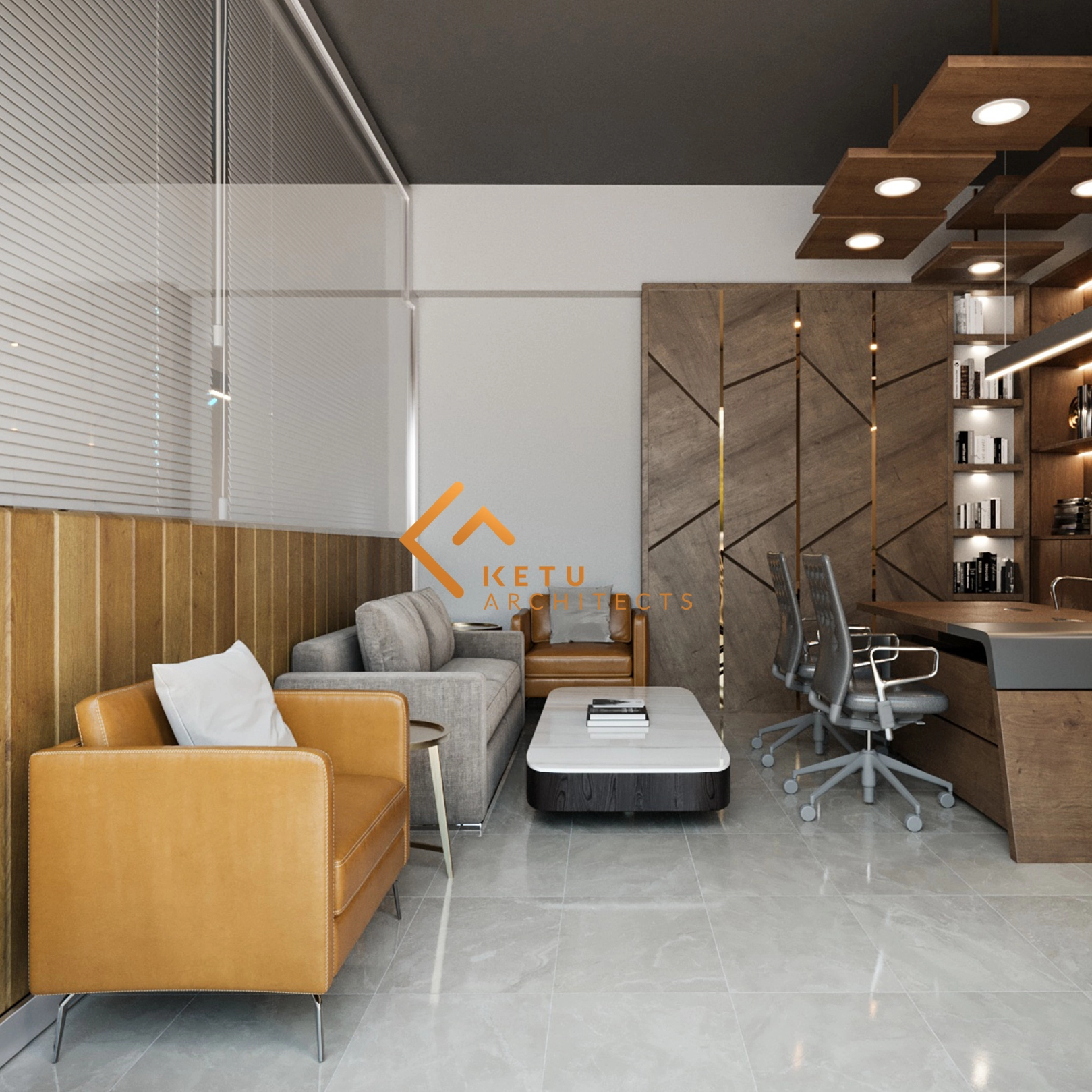
Commercial & Office Design
We design commercial projects including showrooms, office spaces, and commercial schemes that balance operational efficiency with strong architectural identity.
04.
Hospitality Design
Our hospitality design services include hotels and resorts, with careful attention to spatial experience, circulation, and guest comfort.
05.
Institutional & Public Projects
We undertake institutional projects such as school design, college design and public building ensuring functional planning, safety standards, and context-responsive architecture.
06.
Urban Design & Planning
We handle town planning and high-rise building projects, delivering design solutions aligned with urban regulations, scale, and long-term development goals.
07.
High-Rise Planning
We design high-rise buildings including corporate towers and office developments, focusing on efficient planning, safety, and long-term usability.
08.
green building & sustainable design
We create energy-efficient and climate-responsive designs that promote sustainability and environmentally responsible development.
Our Portfolio
Certifications & Recognition
Our work and research contributions are supported by recognized certifications, reflecting our commitment to professional standards and academic credibility.
"Amazing Designs and Quality Work!"
Rules And Regulation
Key regulations covering GDCR, RERA, FSI, and green building standards to ensure compliant, transparent, and sustainable development.
Gujarat’s development regulations are governed by the Comprehensive General Development Control Regulations (GDCR), primarily the 2017 version, which sets statewide rules for development permissions, building use, planning, and construction procedures, applicable to all development areas, with specific provisions for different zones like Gamtal, Residential, and Smart Cities, aiming for systematic urban growth and managing unauthorized construction through acts like the 2022 Ordinance.
Gujarat Town Planning Department: The official source for the common GDCR and related documents.
https://townplanning.gujarat.gov.in/act-legislation/common_gdcr.aspx
Key Meanings & Functions:
Full Form: Real Estate Regulatory Authority.
Purpose: To bring transparency, accountability, and efficiency to the real estate sector, shielding buyers from builder malpractice and delays.
GUJRERA: The specific authority for Gujarat, governing projects within the state.
RERA Gujarat (GUJRERA) is the state authority under India’s Real Estate (Regulation and Development) Act, 2016, established to protect homebuyers, bring transparency, and regulate real estate projects in Gujarat, ensuring developers are accountable for timelines, finances (like using 70% buyer funds in escrow), and quality, making property buying safer and more structured in the region gujrera.gujarat.gov.in
FSI (Floor Space Index) in Gujarat determines the permissible built-up area relative to plot size, varying by zone, road width, and development type, with regulations outlined in the Gujarat Comprehensive Development Control Regulations (CGDCR). Gujarat offers incentives for green buildings (extra FSI) and allows developers to purchase premium FSI or use Transferable Development Rights (TDR) for higher density, though rules involve fees and specific conditions, impacting property values and urban planning.
What is FSI?
It’s the ratio of a building’s total floor area to the area of the land it’s built on.
An FSI of 1.0 means the building’s total floor area equals the plot size.
Key Types & Provisions in Gujarat
Base FSI: The standard FSI for a specific zone, varying by area (e.g., R1/R2 zones in Ahmedabad).
Premium FSI: Extra FSI developers can buy by paying charges (often based on Jantri rates).
Transferable Development Rights (TDR): Allows unused FSI from one plot to be used or sold for development on another plot, with conditions.
Green Building Incentives: Extra FSI (7-12%) for certified green buildings (LEED, IGBC, GRIHA).
Unauthorised Construction Regularisation: Provisions exist to regularise some unauthorised developments by paying fees, including for parking deficiencies.
How FSI Varies
By Zone: Different zones (Residential, Commercial, Transit-Oriented Zones) have different base FSI limits.
By Road Width: Wider roads often allow for higher FSI or premium FSI purchases.
By Development Type: Redevelopment projects, green buildings, and specific plot sizes have unique FSI rules
India’s “green building code” is a combination of mandatory standards like the Energy Conservation Building Code (ECBC) by Bureau of Energy Efficiency (BEE) and voluntary rating systems such as the Indian Green Building Council (IGBC) and TERI-GRIHA, which set benchmarks for energy efficiency, water conservation, sustainable materials, and occupant health across various building types. The National Building Code (NBC) also provides general guidelines, with the ECBC focusing specifically on high-energy-consuming commercial buildings.
Key Components & Standards
Energy Conservation Building Code (ECBC): Mandatory for large commercial buildings, focusing on minimum energy performance, set by the BEE under the Ministry of Power.
Energy Conservation Sustainable Building Code (ECSBC): An evolution of ECBC, covering both commercial and residential buildings for energy efficiency and renewables.
IGBC Rating Systems: Developed by the Indian Green Building Council (IGBC), these are voluntary, market-driven tools for diverse building types (residential, commercial, factory) covering aspects like site planning, water, energy, materials, and indoor environmental quality.
TERI-GRIHA: Another significant voluntary rating system focused on holistic sustainability.
National Building Code (NBC): Contains basic guidelines for efficient energy use, updated over time.
Core Principles of Indian Green Buildings
Integrated Design: A holistic approach to design.
Resource Efficiency: Minimum use of energy, water, and locally sourced materials.
Waste Management: Optimizing waste generation and processing.
Occupant Well-being: Providing comfort and healthy indoor environments

Get In Touch
Reach out to us for project inquiries, consultations, or further information.